


One of the things I love most about travelling
is discovering the textile traditions that help shape a country’s identity. During this trip to Tokyo, I had the opportunity to step away from the city’s fast pace and spend a morning with a local artisan in a private one-on-one workshop.
Off the back alleys of Tokyo I entered the studio of 'Canoha' to meet the insatiably friendly workshop host and Sashiko artist, Keiko.
The studio space and store was an absolute delight, we began by sharing stories over a warm green tea... Japanese portion size might I add, not a British mug full of what I'm used to. After the first steamy sip from the eloquently glazed vessel, I instantly felt the appreciation Japanese people have for their artistry and cultural craftsmanship.


Of course, no textile research trip would be complete without bringing home a few treasures. I very willingly spent a small fortune on authentic Japanese Sashiko threads and supplies, which will undoubtedly inspire future experiments back at the Mr Macramè Atelier.
Leaving the 'Canoha' studio grinning ear to ear, I boarded the busy bustling train back to the neon concrete jungle. With me, new found knowledge and skills I can't wait to utilise across future collections with Mr Macramé.


21_21 DESIGN SIGHT
A cutting-edge design museum and research center located in the Tokyo Midtown complex in Roppongi. Founded in 2007 by renowned fashion designer Issey Miyake, it explores how design influences and enriches everyday life.


Japanese Designer - Hanae Mori 100 Year Anniversary


Rope & Knots on the streets of Tokyo


On the flight leaving Tokyo, for my inflight entertainment, I decided to finish off the Sashiko stitching project. While carefully stitching on the bumpy flight, an elderly Japanese lady across the aisle couldn't help but look over and giggle at my practice. She proceeded to give me a thumbs up, which I enquired... 'am I doing this right?!'
She didn't speak any English, so took the cloth out of my hands and showed me how to spread the stitches more evenly, to ensure less scrunching in-between each stitch.
I heeded the advice with little conversation, proceeded with the project, then showed her the completed Sashiko napkin upon landing. In return, she smiled, spoke aload of Japanese which I didn't understand a word of, handed me a coffee hard sweet then took a photo of me holding up my work like a show and tell 10 year old... My final parting gift from Japan... the opportunity to connect to a culture through the art of fibre... no language required, just a shared passion for art... a confirmation of why I love the practice of textiles so much. <3

Discover More Story Telling Textiles
-

Scottish Tartan
-
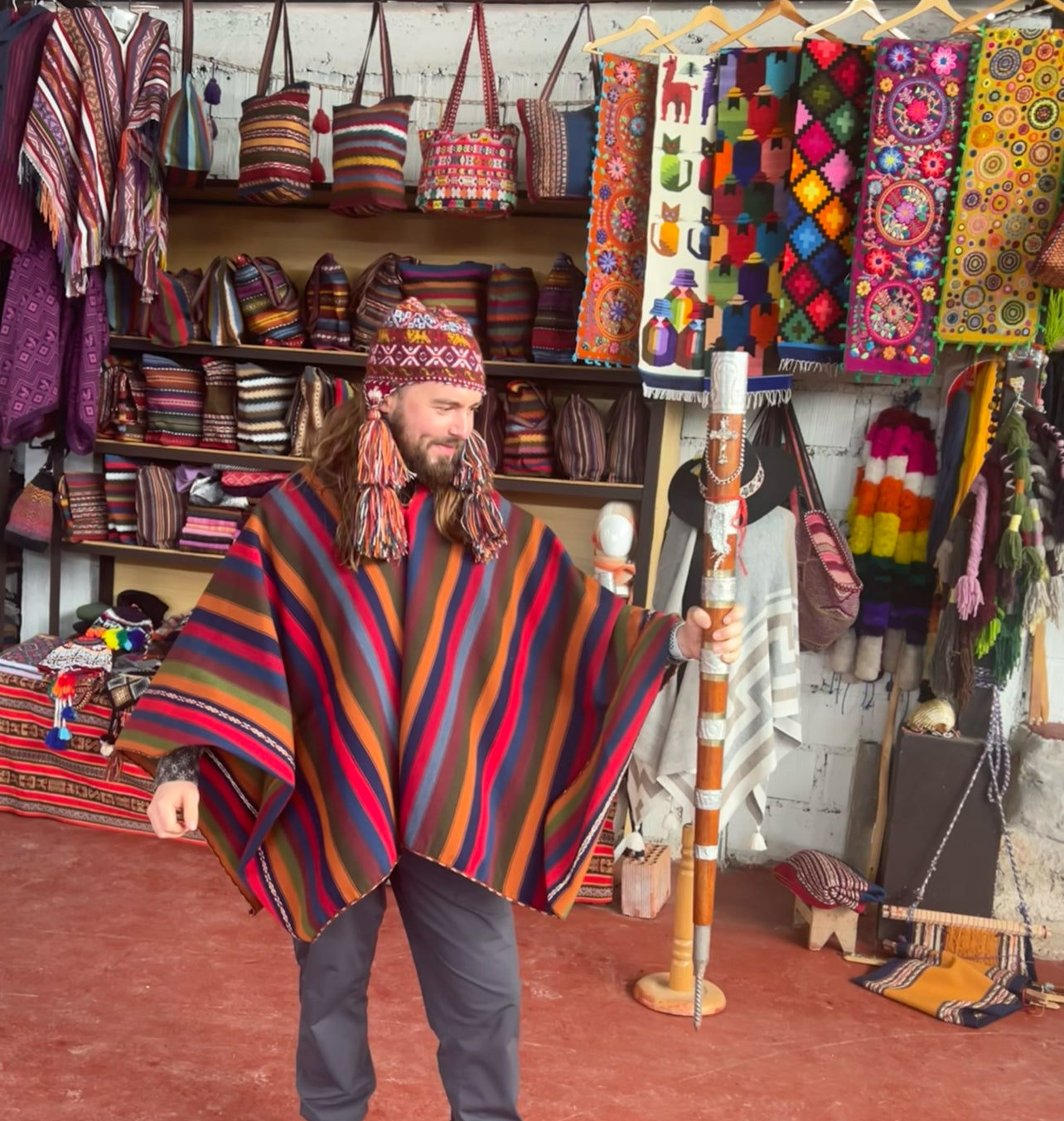
Peruvian Textiles
-
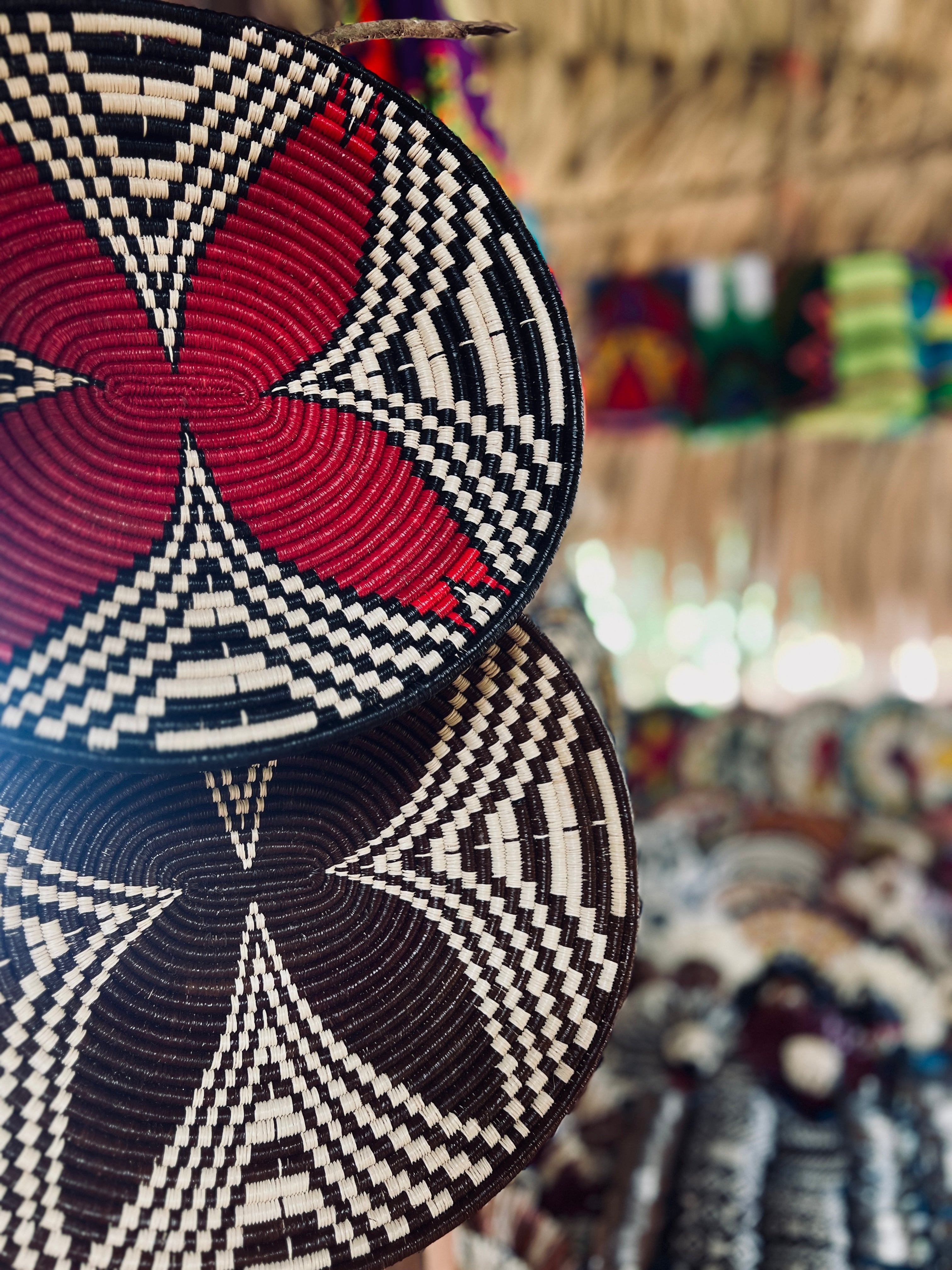
Panamanian / Colombian Craft
